

A wallet address identifies where cryptocurrency should go. A payment link can carry that address, together with an amount, currency, reference, and expiry time. The link does not replace the blockchain destination or create a different kind of transfer. It packages the payment instructions before the wallet displays and approves them. Once approved, the wallet still signs a transaction, sends it to the network, and waits for confirmation. A payment link can therefore deliver more transaction data to the wallet without every field being typed, pasted, or selected separately.
Long recipient strings create measurable opportunities for error. A 2025 study of blockchain address poisoning offers information on how important it is for payments to be secured against both attack attempts and human errors, helping us understand why payment links might be relevant to everyday users.
What Changes During a Casino Deposit
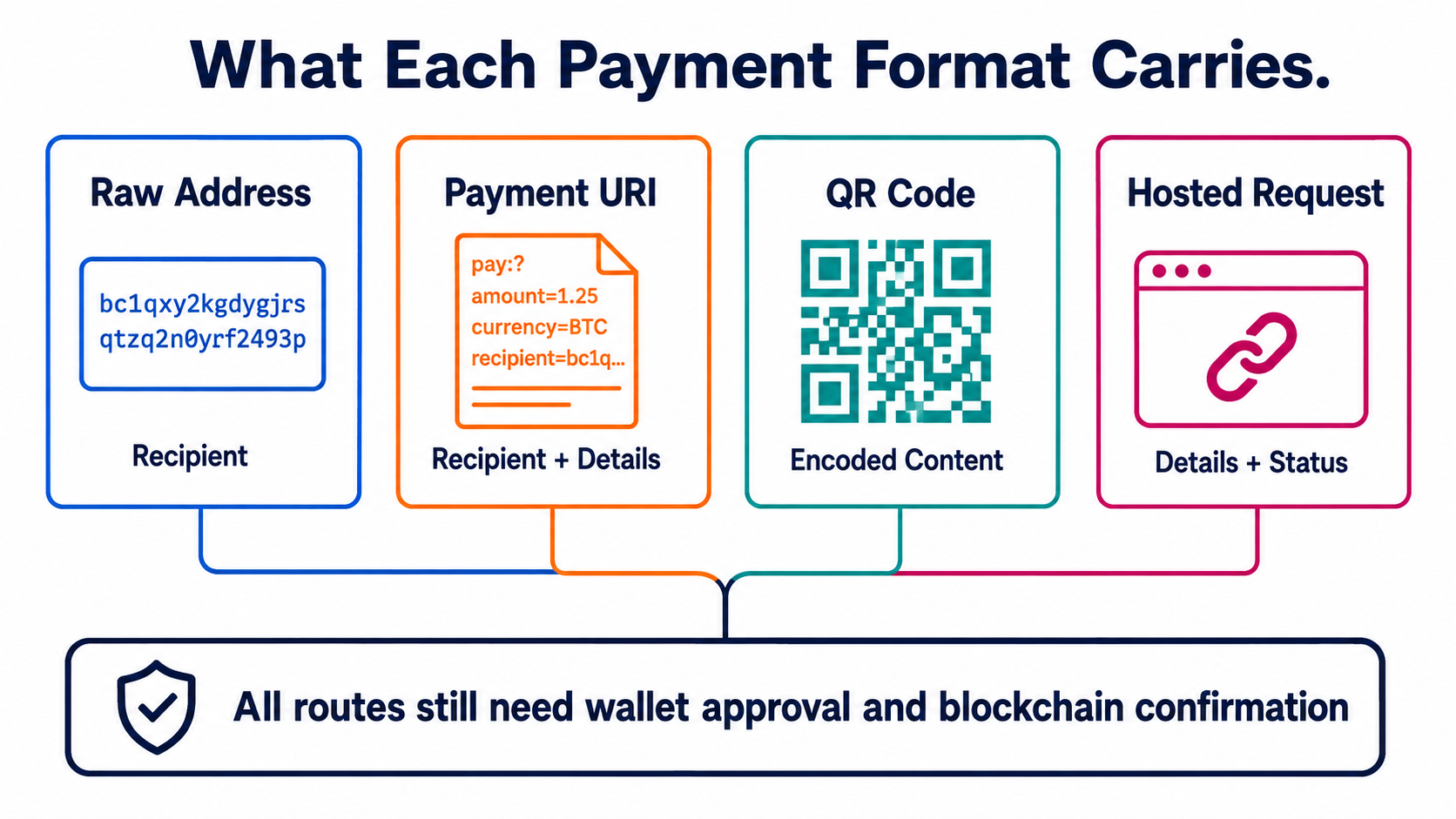
In a crypto-funded casino deposit, the player chooses an amount, then needs their wallet to transfer that amount to the correct account. A bare wallet address identifies a destination, but it does not necessarily carry the intended deposit amount or a separate account reference. The player may have to collect those details from the deposit screen and enter them correctly in the wallet. A structured request can move them together.
In the casino deposit flow covered in this article on Bitcoin Jiggle explained, the player enters an email address and amount, signs in to the wallet, reviews the request, and approves the transfer. The documented payment runs on Litecoin. The link replaces manual address handling during that sequence, while the wallet still authorizes the transaction. After approval, the network must receive and confirm it. A request page can report that its own steps are complete before the blockchain records the payment, and the casino can credit the account only after it has associated the received transfer with that deposit.
A QR code changes the input method rather than the underlying instructions. It may encode a bare address, a payment URI, or a web link. Scanning an address still leaves the amount and network to be checked. Scanning a URI may fill those fields automatically. A hosted link can retrieve request data from a server before handing the details to a wallet. Prefilled fields deserve the same scrutiny as typed ones. A correctly scanned code can still contain the wrong network or amount if the original request was wrong, outdated, or altered before scanning. The wallet’s approval screen is the last place to catch that error before the transaction is signed.
Four Payment Details to Check
Format | Recipient and network | Amount and reference | Expiry and confirmation |
Raw address | Recipient only; network must be known | Entered separately | No request status |
Payment URI | Address with network or asset context | May encode both | Usually no expiry |
QR code | Carries the address, URI, or link encoded in it | Depends on the encoded content | Depends on the encoded content |
Hosted request | May retrieve recipient and network details | May set an amount or reference | May expire or report request status |
Recipient, network, amount, and reference belong to the payment instructions. An expiry time belongs to the request and may prevent an old link from being used. Confirmation comes later from the blockchain. A transaction identifier shows that a transfer was created, while inclusion in a block records it on the network.
A QR scan can succeed, even when the underlying request is stale. The code may still translate into a valid address and amount after the webpage has expired. A wallet can then build a valid transaction that no longer matches an active payment request. Checking the recipient and amount is separate from checking whether the request itself is still current. If the request specifies a reference, that field must also survive the handoff, so the receiver can match the transfer correctly.
What the Approval Screen Can Prove
Details shown on the webpage that created a request are not necessarily the same details a wallet will sign. The FIDO Alliance’s 2025 Secure Payment Confirmation paper describes a broader web-payment design in which the browser presents a merchant identifier and transaction amount on a controlled screen. The authenticator then signs that transaction data with the authentication result. This design does not describe every cryptocurrency payment link. It limits the opportunity for webpage content to change or obscure the details at the moment of approval.
Before signing, compare the wallet’s recipient, network, asset, amount, and any reference with the original request. After sending, use the transaction identifier and block confirmations rather than the request page alone. A wallet address, URI, QR code, and hosted link can all lead to an ordinary blockchain transaction. They differ in how the instructions arrive and how many opportunities remain for a wrong detail to be entered before approval.
Related articles
- Online Casino Winnings Taxes USA: The Complete Rules (2026)
- Venmo Casino Deposits: Why It’s Riskier Than It Looks
- Buffalo Gold Slot Strategy: RTP, Bonus & Bankroll Guide
- What Is RTP in Slots? Return to Player Explained