
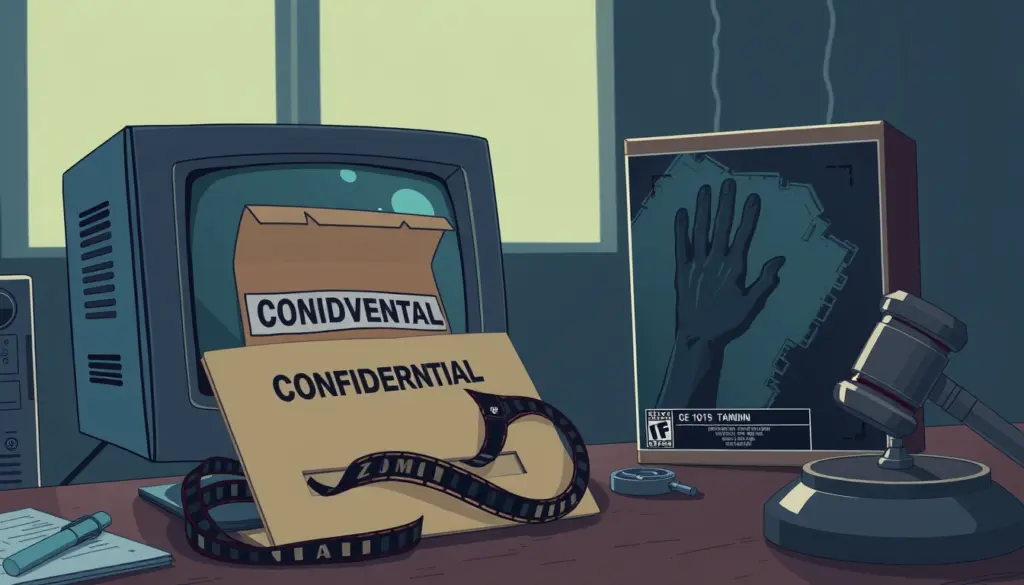
Seventeen years after the fact, Valve has finally admitted to one of gaming’s longest-running open secrets. Former Valve writer Chet Faliszek confirmed this month that the studio deliberately leaked its own Left 4 Dead 2 cinematic trailer in 2009 after the Entertainment Software Rating Board refused to clear it for official release. The admission, made in a newly surfaced video and picked up by outlets including PC Gamer and GamesRadar+, has reignited a story about how far a major publisher was willing to go to get around a ratings board it saw as an obstacle rather than a partner.
The timing matters. Search interest in “left 4 dead 3” has climbed to roughly 6,600 monthly searches as of August 2026, according to DataForSEO tracking, up from 5,400 earlier in the year. A 17-year-old rating dispute wouldn’t normally register as news, but it lands in a year when Valve’s back catalog is getting fresh scrutiny and fans are hungry for any scrap of information about the co-op zombie series’ future.
What Chet Faliszek Actually Admitted
Faliszek, who wrote for both Left 4 Dead and Left 4 Dead 2 during his time at Valve, laid out the sequence plainly. The ESRB blocked Valve from releasing its cinematic trailer for Left 4 Dead 2 ahead of the game’s November 2009 launch. Rather than accept the ruling, Valve’s team let the trailer “leak” onto the internet instead, sidestepping the board’s decision while maintaining plausible deniability.
“We leaked our trailer ahead of time, because they wouldn’t let us release the trailer,” Faliszek said, according to PC Gamer. He followed that up with a line that doubles as a confession and a shrug: “I think we can’t get in trouble for that now.”
That’s a notable thing for a studio veteran to say on the record. Game companies routinely deny or dodge questions about how marketing material makes it online before an official release. Faliszek instead owns it, treating the statute of limitations on a two-decade-old PR maneuver as expired.
Inside The 2009 Trailer Standoff
Coverage of the story places the ESRB’s block on the cinematic trailer in October 2009, roughly a month before Left 4 Dead 2 shipped. Valve was under pressure. The sequel to a game already known for its gore had a launch date locked in, marketing plans in motion, and a ratings board unwilling to sign off on the cut Valve wanted the public to see.
Faliszek’s account frames the leak as a calculated workaround rather than an accident. Once the trailer was out in the wild through unofficial channels, Valve got the exposure it wanted without technically distributing rating-restricted marketing material through its own official ESRB-reviewed pipeline. It’s the kind of move that reads as clever in hindsight and legally uncomfortable in the moment, which is likely why nobody at Valve confirmed it publicly until now.
According to GamesRadar+, Faliszek also connected the leak directly to language cuts the game underwent before launch. “Yeah, it originally got leaked because we had this with the ESRB, so that’s why a lot of the language had to get toned down,” he said. In other words, the leak and the censorship weren’t two separate stories, they were two sides of the same negotiation with the ratings board.
The Three-Fingered Hand That Almost Made It to Store Shelves
The trailer wasn’t the only flashpoint. Valve’s early promotional artwork for Left 4 Dead 2 featured a hand with three fingers chewed off, leaving two fingers intact to visually signal “2” for the sequel. The ESRB objected to the imagery and told Valve to change it. Valve complied, and the art that actually shipped showed the missing fingers curled or bent under the palm rather than depicted as gnawed away.
It’s a small edit in isolation, but it says a lot about how granular ratings-board notes can get. The ESRB wasn’t objecting to the sequel’s violence in general, it was objecting to one specific visual detail that implied active mutilation rather than a passive injury. That kind of line-item negotiation between a publisher and a ratings body rarely makes headlines, which is part of why Faliszek’s recent comments landed as a fresh story rather than old news nobody remembered.
Why The ESRB Pushed Back In The First Place
Left 4 Dead 2 ultimately carried an ESRB rating of M for Mature 17+, with content descriptors for Blood and Gore, Intense Violence, and Language. That’s a standard rating for a co-op shooter about tearing through hordes of infected, but getting there wasn’t a rubber-stamp process. Faliszek described Valve being “in fights with the ESRB, with Australia, with Germany, with a bunch of countries about the profanity in the game, or the violence,” per PC Gamer’s report.
That framing matters because it shows the ESRB dispute wasn’t an isolated American regulatory hiccup. Valve was managing a patchwork of national censors simultaneously, each with different thresholds for gore, dismemberment, and profanity. The U.S. fight over the trailer was one battle in a wider war the studio was fighting on multiple fronts during the Left 4 Dead era.
The ESRB’s Role, Explained
For readers unfamiliar with how the system works, the Entertainment Software Rating Board is the industry’s self-regulatory body for North America. It assigns age-based ratings (E, T, M, AO, and others) along with content descriptors that flag specific material like violence, gore, or language. Publishers submit footage and marketing assets for review, and the board can request changes or deny approval outright before a rating is finalized, which is exactly the leverage it used against Valve’s trailer in 2009.
Timeline: How The Story Unfolded
| Date | Event |
|---|---|
| 2008 | Left 4 Dead ships; Valve faces early friction with ratings bodies over gore and violence in multiple territories |
| October 2009 | ESRB blocks Valve from officially releasing the Left 4 Dead 2 cinematic trailer, per 2026 reporting |
| November 2009 | Left 4 Dead 2 launches, rated M for Blood and Gore, Intense Violence, and Language |
| September 2026 | Chet Faliszek publicly confirms the trailer leak was an intentional Valve workaround |
Market Impact: Nostalgia As A Marketing Asset
There’s no earnings call tied to a 2009 marketing anecdote, so the market impact here isn’t financial in the traditional sense. It’s attention. Valve doesn’t run quarterly investor updates, but Steam’s own storefront metrics show old titles still driving meaningful engagement, and a story like this one feeds directly into that. Left 4 Dead 2 is a case in point: nearly two decades after release, it still averaged roughly 25,600 concurrent players on Steam in August 2026 and around 23,000 through mid-September, with a monthly peak north of 40,000, according to Steam tracking sites like SteamCharts and SteamDB. Every time a decade-old Valve game resurfaces in the news cycle, it nudges more players back toward the Steam page, the workshop mods, and the community servers that keep Left 4 Dead 2 active nearly two decades after launch.
The DataForSEO search-volume data on “left 4 dead 3” queries backs this up. Interest in a sequel that Valve has never officially confirmed keeps climbing every time the older games get press, whether that’s a Steam sale, a mod spotlight, or, in this case, a writer admitting to a ratings-board workaround from the George W. Bush administration. For a company that spends almost nothing on traditional advertising, stories like this one function as free, recurring marketing for a 17-year-old catalog.
Historical Context: Ratings Fights Didn’t Start With Valve
Publisher-versus-ratings-board standoffs are as old as the modern ratings system itself. The ESRB exists in large part because of the congressional hearings that followed the outcry over Mortal Kombat‘s violence in the early 1990s, an episode that pushed the industry to create its own self-regulatory body rather than face government-imposed censorship. Rockstar’s Manhunt 2 ran into its own high-profile standoff in 2007, when the ESRB initially handed it an Adults Only rating, forcing Rockstar to trim content and resubmit before it could ship on major consoles.
Valve’s Left 4 Dead series fits into that same lineage, just with a quieter, more procedural kind of friction. Nobody pulled Left 4 Dead 2 from shelves the way some retailers pulled Manhunt 2. Instead, Valve absorbed a series of smaller edits, region-specific compromises, and one marketing workaround that only came to light this year. It’s a reminder that ratings disputes rarely look like the dramatic bans that make history-book footnotes. Most of the time, they look like a studio quietly changing a hand icon or slipping a trailer out the back door.
Competitive Comparison: How Publishers Handle Ratings Friction
| Case | Ratings Body Involved | Publisher’s Response |
|---|---|---|
| Mortal Kombat (1993) | U.S. Congress, pre-ESRB era | Industry created the ESRB in 1994 to self-regulate rather than face government rating mandates |
| Manhunt 2 (2007) | ESRB, BBFC | Rockstar edited content and resubmitted after an initial Adults Only rating |
| Left 4 Dead (2008) | ESRB, plus Australian and German regulators | Valve adjusted content region by region, per Faliszek’s account |
| Left 4 Dead 2 (2009) | ESRB | Trailer blocked, Valve released it through an unofficial leak instead of an official resubmission |
What separates Valve’s approach from Rockstar’s is the direction of the workaround. Rockstar complied, cut content, and resubmitted through the front door. Valve, at least according to Faliszek, decided the fastest path to getting its trailer seen wasn’t compliance, it was distribution through a channel the ESRB couldn’t touch. Both strategies got games to market. Only one of them involved a studio admitting, nearly two decades later, that it gamed the review process rather than working within it.
Why Valve’s Lawyers Got Involved With The Writers
The ratings fights didn’t stay confined to the legal and PR teams. Reports describe Valve’s legal department stepping directly into the writers’ process during this period, effectively supervising dialogue and content decisions to keep the studio out of deeper regulatory trouble across the U.S., Australia, and Germany simultaneously. That’s an unusual level of legal oversight for a creative team, and it underscores how seriously Valve treated the combined threat of an ESRB rejection, an Australian ban, and German content restrictions landing all at once, right before a major launch.
It also explains why the language cuts Faliszek referenced weren’t a single editing pass. They were part of an ongoing, lawyer-supervised negotiation that ran in parallel with the marketing decisions, including the trailer leak itself. Ratings compliance and legal risk management were, in effect, running the same meeting.
Industry Reaction To The Admission
The reaction across gaming outlets has skewed toward amusement rather than outrage. Publications covering the story have largely treated it as a fun piece of industry lore rather than a scandal, which tracks with how far removed the events are from any current legal exposure. Faliszek himself set that tone by openly joking that the statute of limitations, practical or otherwise, had long since passed.
“You have to remember, especially during Left 4 Dead 1 and Left 4 Dead 2 time, Valve was in fights with the ESRB, with Australia, with Germany, with a bunch of countries about the profanity in the game, or the violence,” Faliszek told PC Gamer, framing the trailer leak as one symptom of a much broader, multi-country compliance headache rather than a one-off stunt.
What This Reveals About Game Marketing In The Late 2000s
Trailer leaks were common currency in the late 2000s internet, and plenty of them were genuinely accidental, the result of an unlisted YouTube link getting indexed or a build getting shared before an embargo lifted. What makes the Left 4 Dead 2 case different is that it wasn’t an accident dressed up as intentional marketing after the fact. It was, by Faliszek’s own account, intentional from the start, built specifically to route around a regulatory block.
That distinction matters for anyone studying how studios managed hype cycles before social media made official channels dominant. A leak in 2009 could generate the same buzz as an official reveal, without the review, approval, and liability that came with going through the front door. Valve apparently understood that arbitrage well enough to use it deliberately, years before “leak marketing” became a phrase anyone used out loud.
Could This Affect Left 4 Dead 3’s Prospects?
Valve has never officially confirmed a third mainline entry in the series, despite years of fan speculation and the steady search demand tracked by DataForSEO. Nothing in Faliszek’s comments changes that reality. He was speaking about a 17-year-old marketing decision, not previewing new development. Still, stories like this keep the franchise in the conversation, and franchises that stay in the conversation tend to be easier business cases to greenlight than ones that quietly fade out of relevance.
Valve’s current public focus remains split across hardware, Steam platform work, and its existing live titles, so reading a sequel announcement into a decades-old anecdote would be getting ahead of the actual reporting. What’s fair to say is that the Left 4 Dead name is clearly still worth writing about, both for outlets and for the fans who keep the query volume climbing.
Predictions: Where This Story Goes Next
- Expect more retrospective interviews with former Valve staff as the studio’s back catalog keeps generating anniversary-driven coverage through the rest of 2026.
- The ESRB is unlikely to comment directly on a 17-year-old individual case, since doing so would set a precedent for relitigating old rulings in public.
- Search interest in “left 4 dead 3” will likely see a short-term bump tied to this story before settling back toward its recent baseline near 6,000 to 7,000 monthly searches.
- Other veteran developers may feel freer to discuss their own past ratings-board workarounds now that a well-known example is on the record without consequence.
- Valve’s marketing team will probably keep leaning on nostalgia-driven Steam promotions for Left 4 Dead 2 rather than any near-term sequel announcement.
The Bigger Picture For Ratings Boards In 2026
Ratings boards today operate in a very different media environment than they did in 2009. Marketing now flows through Discord, TikTok, and platform storefronts as much as through trailers, which gives studios far more channels to build hype outside any single regulator’s reach. That makes a 2009-style “unofficial leak” workaround less necessary today, since a publisher can now generate the same buzz through a dozen legitimate side doors instead of one deliberate leak.
The takeaway for modern developers watching this story unfold is less about copying Valve’s specific tactic and more about the underlying lesson: ratings friction has always been a negotiation, not a fixed wall, and studios that treat it as a creative constraint rather than a hard stop tend to find their way to release one way or another.
Frequently Asked Questions
Did Valve really leak the Left 4 Dead 2 trailer on purpose?
According to former Valve writer Chet Faliszek, yes. He said the studio deliberately let the trailer leak online after the ESRB refused to clear it for official release, a claim reported by both PC Gamer and GamesRadar+ in September 2026.
Why did the ESRB block the Left 4 Dead 2 trailer?
Reports don’t specify the exact ESRB reasoning, but they place the block in October 2009, roughly a month before launch, amid wider disputes with Valve over the game’s violence and profanity.
What rating did Left 4 Dead 2 end up with?
Left 4 Dead 2 carries an ESRB rating of M for Mature 17+, with content descriptors for Blood and Gore, Intense Violence, and Language.
What was the issue with the Left 4 Dead 2 box art hand?
An early promotional image showed a hand with three fingers chewed off to signal the number two for the sequel. The ESRB objected, and Valve changed the final art so the missing fingers appeared curled under rather than gnawed away.
Who is Chet Faliszek?
Chet Faliszek is a former Valve writer who worked on both Left 4 Dead and Left 4 Dead 2. He’s the source of the recent admission about the trailer leak and Valve’s broader ratings-board disputes during that era.
Did other countries restrict Left 4 Dead 2 as well?
Faliszek said Valve was dealing with ratings friction in Australia and Germany alongside the ESRB dispute during the Left 4 Dead and Left 4 Dead 2 period, without specifying every detail of each region’s demands.
Is Valve in any legal trouble for the 2009 leak?
No. Faliszek’s comments describe a marketing decision from 2009 that he says carries no realistic legal exposure at this point, and no outlet has reported any legal action tied to the admission.
Does this news mean Left 4 Dead 3 is coming?
No. Valve has not confirmed a third entry in the series. The story is about a 2009 marketing decision, not a new development announcement, though it has coincided with rising search interest in a potential sequel.