
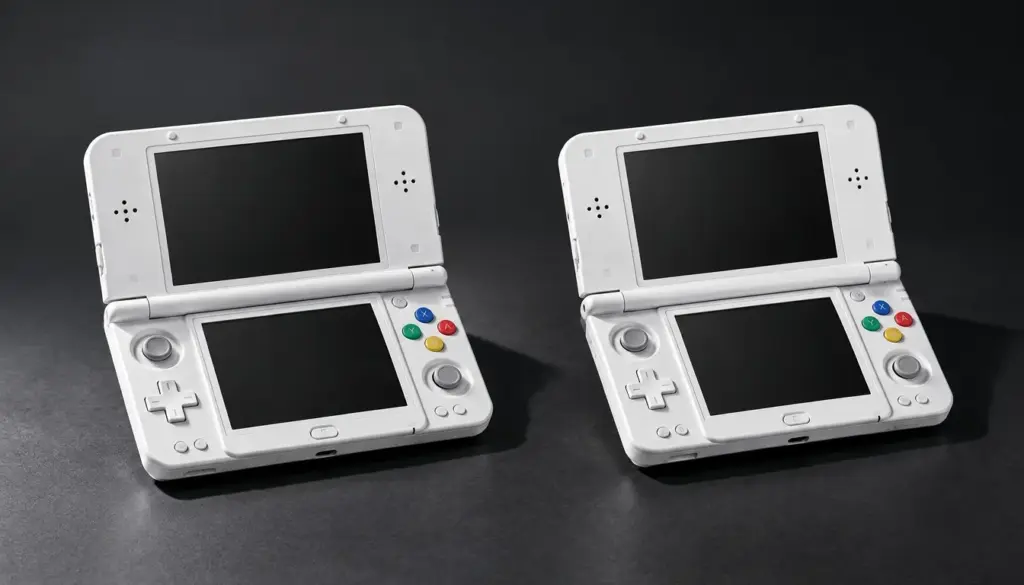
ANBERNIC has spent the better part of a decade selling budget retro handhelds that rarely crack $150. On October 15, 2026, the Chinese hardware maker broke from that pattern entirely. The RG DDS, a dual-screen handheld built around the exact screen proportions of the Nintendo 3DS, launched with a starting price of $299.99, a figure that outlets including Engadget flagged as roughly double what Nintendo charged for the original 3DS console back in 2011.
The RG DDS isn’t just another entry in ANBERNIC’s sprawling catalog of retro clones. It’s a statement about where the dual-screen emulation handheld niche is heading in late 2026: more expensive, more powerful, and increasingly aimed at buyers who want a device that can run far more than just Nintendo DS and 3DS libraries. The launch lands in the same month that AYN and Retroid pushed their own dual-screen handhelds into the market, and just weeks after ASUS and Valve traded blows in the premium PC handheld segment. The retro and premium ends of the handheld market are converging on the same calendar, and the RG DDS is the clearest sign yet that “retro” no longer means “cheap.”

Don't miss new tech stories on Google
Add Shattered once in the Google app and our stories show up in your news suggestions.
ANBERNIC’s RG DDS Lands at $299, and the Internet Noticed the Price
ANBERNIC confirmed pricing and specifications for the RG DDS on October 15, 2026, with preorders opening the following day, according to reporting from The Verge and RetroDodo. The base configuration, with 8GB of RAM and 128GB of storage, carries a regular price of $299.99, discounted to $284.99 during the preorder window. A higher-end model with 12GB of RAM and 256GB of storage lists at $364.99, or $349.99 for early buyers. Shipping is scheduled to begin gradually starting December 10, 2026, per ANBERNIC’s own product page.
Those numbers matter because ANBERNIC built its reputation on devices that undercut Nintendo and Sony hardware by a wide margin. The company’s earlier RG DS handheld, for comparison, sells for well under $100. The RG DDS more than triples that price point, and as Engadget’s headline framing put it, the new handheld costs almost double what the original Nintendo 3DS sold for at launch in 2011. That repositioning is deliberate. ANBERNIC is chasing a buyer who wants genuine 3DS-grade (and beyond) emulation fidelity in a pocketable dual-screen shell, not someone shopping for the cheapest possible way to play Game Boy Advance roms.
The name itself is a nod to the hardware’s layout. Retail listings referred to the RG DDS using the shorthand “Dual Dream Screen,” reflecting the device’s core pitch: two full touch-capable displays stacked in a clamshell, built specifically to mirror the 3DS experience rather than approximate it with mismatched panels, which is how most earlier dual-screen emulation handhelds handled the format.
What’s Actually Inside the RG DDS
Specs confirmed across multiple outlets, including TechEBlog and ANBERNIC’s own listing, show a device built around Qualcomm’s Snapdragon G2 Gen 2 platform (model number SG6275P), manufactured on a 4nm process. The chip pairs one high-performance Kryo Gold Plus core clocked up to 2.8GHz with four Kryo Gold cores at up to 2.57GHz and three efficiency-focused Kryo Silver cores at up to 1.9GHz, an eight-core configuration handling graphics duties through a Qualcomm Adreno A22 GPU.
Memory and storage come in two tiers: 8GB of RAM with 128GB of storage on the base model, or 12GB of RAM with 256GB of storage on the premium configuration. ANBERNIC paired that hardware with a 6,000mAh battery supporting charging speeds up to 27W, and built in active cooling through an internal fan, a feature rarely seen on handhelds in this price bracket and one that signals ANBERNIC expects the Snapdragon G2 Gen 2 to run hot under sustained emulation loads.
Colors, Audio and Connectivity
The RG DDS ships in three color options: Basalt Black, Glacier White, and Phantom Blue. Audio comes through dual speakers plus a 3.5mm headphone jack, and the device includes vibration feedback and a six-axis gyroscope for motion-based controls, a feature set that mirrors what 3DS owners had access to on Nintendo’s original hardware. On the connectivity side, the RG DDS supports Wi-Fi 6 and Bluetooth 5.4, and it can output video to an external display at up to 1080p, letting owners dock the handheld to a TV or monitor. ANBERNIC also listed an AI translation feature among the device’s software capabilities, though the company has not published details on how that feature works or which languages it supports.
The entire package runs Android 16, which puts the RG DDS on Google’s current mobile operating system rather than a stripped-down Linux build, a choice that opens the door to the full Android app and emulator ecosystem but also means the device inherits whatever overhead and battery tradeoffs come with running a general-purpose mobile OS on handheld hardware.
Two Screens, One Idea: Rebuilding the 3DS Formula
The defining feature of the RG DDS is its screen pair, and ANBERNIC built both panels to match the exact resolution and aspect ratio Nintendo used across the original 3DS and 3DS XL lines. The top display measures 4.7 inches with a 1200×720 resolution at a 5:3 aspect ratio, reaching 300 pixels per inch and 500 nits of brightness. The bottom touchscreen measures 4 inches at 960×720 resolution in a 4:3 ratio, matching the same 300 PPI and 500 nit brightness as the upper panel.
That symmetry matters for emulation accuracy. Many earlier dual-screen clones mismatched panel sizes or resolutions relative to the source hardware, which forced emulators to stretch or letterbox 3DS and DS content and introduced visible artifacts or incorrect touch-input mapping on the bottom screen. By matching the 3DS’s proportions almost exactly, ANBERNIC is targeting pixel-accurate rendering for 3DS and DS libraries specifically, rather than a generic “close enough” dual-screen layout.
The Stylus and Touch Layer
Both panels are touch-capable, and the RG DDS includes a built-in, extendable stylus housed in the shell, a direct callback to how the 3DS handled touch input for its bottom screen. That detail alone separates the RG DDS from competitors that treat the lower display as a secondary status panel rather than a true input surface. For 3DS titles that rely heavily on stylus mechanics, this is the single most important hardware decision ANBERNIC made.
Preorders, Shipping Dates and What Buyers Get for Their Money
Preorders for the RG DDS opened around October 16, 2026, a day after ANBERNIC confirmed final pricing, according to RetroDodo’s coverage of the listing. The discounted preorder pricing, $284.99 for the base model and $349.99 for the upgraded tier, appears to be a limited-time offer rather than a permanent discount, consistent with how ANBERNIC has handled preorder windows for past hardware launches. Shipping is set to begin gradually starting December 10, 2026, meaning early buyers should expect a roughly two-month gap between placing an order and receiving hardware.
That staggered shipping approach is common for ANBERNIC and other Shenzhen-based handheld makers, who typically ramp production in batches rather than shipping the full preorder pool simultaneously. Buyers who order later in the preorder window, or who wait until general availability, should expect to wait longer than the December 10 date attached to the earliest units.
RG DDS Spec Sheet at a Glance
| Spec | Details |
|---|---|
| Price (base) | $299.99 regular / $284.99 preorder (8GB+128GB) |
| Price (upgraded) | $364.99 regular / $349.99 preorder (12GB+256GB) |
| Top display | 4.7-inch IPS, 1200×720, 5:3 ratio, 300 PPI, 500 nits |
| Bottom display | 4-inch IPS, 960×720, 4:3 ratio, 300 PPI, 500 nits |
| Chipset | Qualcomm Snapdragon G2 Gen 2 (SG6275P), 4nm |
| CPU config | 1x Kryo Gold Plus @2.8GHz, 4x Kryo Gold @2.57GHz, 3x Kryo Silver @1.9GHz |
| GPU | Qualcomm Adreno A22 |
| RAM / storage | 8GB+128GB or 12GB+256GB |
| Battery | 6,000mAh, up to 27W charging |
| OS | Android 16 |
| Connectivity | Wi-Fi 6, Bluetooth 5.4 |
| Colors | Basalt Black, Glacier White, Phantom Blue |
| Shipping start | December 10, 2026 (gradual rollout) |
Why $299 Is a Break From ANBERNIC’s Budget Reputation
ANBERNIC built its brand on devices like the RG35XX and RG DS, handhelds priced from roughly $30 to $100 that trade raw power for accessibility. The RG DDS abandons that positioning almost entirely. At $299.99, the base model costs roughly three times what ANBERNIC’s standard RG DS sells for, and it edges into territory the company has historically left to pricier rivals.
The jump makes more sense once the component list is factored in. A flagship-adjacent Qualcomm chip, two matched 500-nit IPS panels, active cooling, and a 6,000mAh battery all cost real money at volume, and ANBERNIC appears to have decided that hitting 3DS-accurate emulation required spending in a category it had previously avoided. The strategic bet is that enough buyers in the dual-screen emulation niche will pay a premium for a device that gets the screen geometry and performance right, rather than settling for a cheaper handheld that approximates the 3DS experience with the wrong aspect ratio or a chip that chokes on 3D-era Nintendo titles.
It’s also a response to where the rest of the handheld market has moved. Premium PC handhelds like the ROG Xbox Ally X20 now sell north of $1,000, and even mid-tier retro-focused devices have crept upward as chipset and display costs rise industry-wide. Against that backdrop, $299.99 for a dual-screen handheld with a current-generation Qualcomm chip looks less like price creep and more like ANBERNIC repositioning itself for a buyer willing to spend more for a device built to do one thing precisely right.
RG DDS vs Ayaneo Pocket DS: The Dual-Screen Price War
The RG DDS doesn’t have the dual-screen emulation category to itself. Ayaneo’s Pocket DS, which The Verge referenced in its coverage of ANBERNIC’s pricing, starts at $579, nearly double what ANBERNIC is charging for its base configuration. That gap positions the RG DDS as the aggressive, lower-cost option in a segment that, until this launch, skewed toward premium pricing almost by default.
Whether ANBERNIC’s Snapdragon G2 Gen 2 chip can match the performance ceiling of Ayaneo’s hardware remains an open question; none of the outlets covering the RG DDS’s October 15 reveal published independent performance benchmarks or emulation compatibility testing. What’s clear is that ANBERNIC is using price as its primary lever to win over buyers who were previously priced out of accurate dual-screen emulation hardware. If the RG DDS delivers on 3DS and DS emulation at anywhere close to the fidelity Ayaneo’s pricier hardware offers, it could meaningfully reshape expectations for what a sub-$300 dual-screen handheld should cost going forward.
Where the RG DDS Fits in a Crowded Handheld Calendar
The RG DDS arrives in the middle of one of the busiest handheld release stretches the industry has seen in years. Just weeks earlier, ANBERNIC’s lineup saw competition from AYN’s Thor and Retroid’s Pocket 6, both of which also lean on dual-screen or convertible form factors to chase the same retro-emulation audience. Meanwhile, chipmakers are racing to lock down the premium end of the market: Intel’s Arc G3 Extreme graphics are now shipping inside handhelds competing directly with AMD’s silicon, and leaked roadmaps suggest AMD’s next-generation Ryzen Z3 chips are already being tested for handheld designs.
That convergence matters for ANBERNIC’s positioning. The RG DDS isn’t trying to compete with Ryzen- or Arc-powered PC handhelds running full Windows libraries; it’s carving out space at the top of the budget-to-midrange Android emulation tier, a category that has largely been insulated from the GPU arms race playing out among AMD, Intel, and Qualcomm’s higher-end silicon. But the fact that a $299 handheld now ships with active cooling and a flagship-adjacent chip shows how far that pressure has trickled down, even into a segment ANBERNIC previously served with far simpler hardware.
Dual-Screen Handheld Comparison
| Handheld | Starting Price | Screen Layout | Chipset | OS |
|---|---|---|---|---|
| ANBERNIC RG DDS | $299.99 | 4.7″ + 4″ dual IPS, 3DS-matched ratios | Snapdragon G2 Gen 2 | Android 16 |
| Ayaneo Pocket DS | $579 | Dual-screen clamshell | Not independently verified in current reporting | Android |
| ANBERNIC RG DS (prior model) | Under $100 | Single 4-inch touch display | RK3568 | Android 14 / Linux |
The gap between the RG DDS and ANBERNIC’s own prior-generation RG DS underscores just how large a leap this launch represents. The RG DS runs a Rockchip RK3568 chip with far more modest performance, paired with 3GB of RAM and 32GB of storage, and sells for a fraction of the RG DDS’s price. ANBERNIC isn’t just adding a second screen to an existing budget formula; it built an entirely new tier of hardware around the dual-screen concept.
The Emulation Question Nobody’s Fully Answered Yet
ANBERNIC’s own marketing claims the Snapdragon G2 Gen 2 enables emulation beyond Nintendo 3DS titles, language that strongly implies the company expects the RG DDS to handle more demanding systems, potentially including GameCube or early Wii-era emulation given the chip’s horsepower relative to older ANBERNIC hardware. None of the outlets that covered the October 15 reveal, however, published a verified, system-by-system compatibility list, and no independent reviewer has yet confirmed which platforms run at full speed on retail hardware.
That gap is worth flagging clearly for anyone considering a preorder before shipping begins on December 10. Marketing language from a hardware maker is not the same as third-party benchmarking, and the emulation handheld space has a long history of devices that oversell their capability on paper and underdeliver once independent testers get hands-on units. Buyers hoping the RG DDS will cleanly run anything beyond Nintendo DS and 3DS libraries should wait for hands-on performance reviews once shipping units reach reviewers, rather than relying on ANBERNIC’s own characterization of the chip’s ceiling.
Market Impact: A Premium Retro Bet in a Cautious Hardware Year
The RG DDS’s launch lands at an unusual moment for gaming hardware spending broadly. Analytics firm Circana has tracked a pullback in overall game hardware spending through much of 2026, and that pressure has shown up across console and handheld categories alike, as detailed in Circana’s recent tracking of the games market. Against that backdrop, ANBERNIC pushing a $299 handheld into a niche previously dominated by sub-$100 devices is a notable bet that there’s still room for premium spending within specific enthusiast categories, even while the broader market cools.
The retro and emulation handheld segment has generally proven more resilient to broader spending pullbacks than mainstream console hardware, partly because its audience is smaller, more dedicated, and less price-sensitive relative to the overall console-buying public. ANBERNIC’s willingness to triple its typical price point suggests the company sees that resilience as durable enough to support a genuine premium tier within its own catalog, rather than treating every SKU as a race to the bottom on price.
Historical Context: From the 2011 3DS to 2026’s Emulation Boom
Nintendo launched the original 3DS in 2011 at $249.99 in the US, a price point the company later cut within months after soft early sales. Fifteen years on, ANBERNIC’s RG DDS charges more than that original 3DS price for a device built explicitly to replicate and extend that hardware’s screen layout, a sign of how differently the retro handheld market values 3DS-era hardware today compared to how the market treated it at launch.
That shift reflects a broader trend across the dual-screen emulation niche over the past several years. Early clones prioritized raw affordability and tolerated rough edges in screen accuracy and performance. As the category has matured, and as buyers have become more willing to spend for fidelity, manufacturers including ANBERNIC and Ayaneo have moved toward hardware that treats the original dual-screen Nintendo formula as a design target worth matching precisely, rather than a budget feature to approximate cheaply. The RG DDS, with its screen dimensions built explicitly around 3DS proportions, is the clearest expression yet of that shift.
What Happens Next: Five Predictions for the Dual-Screen Segment
- Independent benchmarks will test ANBERNIC’s emulation claims. Expect reviewers and emulation-focused outlets to publish system-by-system compatibility breakdowns once RG DDS units begin shipping around December 10, which will either validate or undercut ANBERNIC’s “beyond 3DS” marketing language.
- Ayaneo will face pressure to adjust Pocket DS pricing or specs. With ANBERNIC now offering a 3DS-accurate dual-screen handheld at roughly half the Pocket DS’s starting price, Ayaneo has an incentive to either cut prices or emphasize performance differentiators that justify its premium.
- More manufacturers will enter the dual-screen tier. Retroid and other budget-to-midrange handheld makers have shown interest in dual-screen designs; a successful RG DDS launch is likely to accelerate competing announcements through early 2027.
- ANBERNIC’s pricing strategy will extend to future flagship releases. Having broken from its sub-$150 identity once, ANBERNIC is unlikely to retreat fully back to it; expect future high-end SKUs in the $250-plus range to become a permanent part of its lineup alongside its traditional budget devices.
- Shipping delays are likely for later preorder batches. Given ANBERNIC’s gradual rollout pattern and the December 10 start date, buyers who order after the initial preorder window should expect waits stretching into early 2027, consistent with how the company has handled past hardware launches.
Frequently Asked Questions
How much does the ANBERNIC RG DDS cost?
The base configuration with 8GB of RAM and 128GB of storage costs $299.99 at regular price, or $284.99 during the preorder window. The upgraded 12GB RAM and 256GB storage model costs $364.99, or $349.99 for preorder buyers.
When does the RG DDS ship?
ANBERNIC says shipping will begin gradually starting December 10, 2026. Buyers who order later in the preorder cycle should expect longer waits, consistent with how the company has staggered shipments for past hardware.
What chip powers the RG DDS?
The handheld uses Qualcomm’s Snapdragon G2 Gen 2 platform (model SG6275P), built on a 4nm process, paired with an Adreno A22 GPU.
Can the RG DDS emulate systems beyond the Nintendo 3DS?
ANBERNIC has said the Snapdragon G2 Gen 2 chip enables emulation beyond 3DS titles, but no outlet covering the October 15 reveal published a verified, system-by-system compatibility list, and no independent reviewer has confirmed performance on retail hardware yet.
How does the RG DDS compare to the Ayaneo Pocket DS?
The RG DDS starts at $299.99, compared to $579 for the Ayaneo Pocket DS, making ANBERNIC’s device the significantly cheaper option in the dual-screen emulation category, though independent performance comparisons between the two have not yet been published.
What operating system does the RG DDS run?
The RG DDS runs Android 16, giving it access to the broader Android app and emulator ecosystem rather than a stripped-down custom firmware.
Does the RG DDS support a stylus for touch input?
Yes. The device includes a built-in, extendable stylus housed in the shell, and both the top and bottom displays are touch-capable.
What colors is the RG DDS available in?
ANBERNIC confirmed three color options at launch: Basalt Black, Glacier White, and Phantom Blue.